
How Can Occupational Asthma Be Prevented In The Workplace?
How to mitigate the risk of developing work-related Occupational Asthma
How Can Occupational Asthma Be Prevented In The Workplace?
Employers have a responsibility to minimise the risks of any workplace injury or illness, and occupational asthma is no exception. By understanding the risks an employer should be able to manage the needs of employees both individually and collectively and this can be done in a variety of different ways.
The first step for any employer to undertake is to identify if there are any allergens or irritants present in the workplace. If it is established that they are present, procedures should be put in place to manage the risks accordingly.
COSHH
The Control of Substances Hazardous to Health (COSHH) Regulations require all employers to control exposure to hazardous substances in order to protect workers’ health. This includes assessing the risk of exposure and where possible substituting hazardous products for less dangerous ones. In situations where this is not practicable employers must ensure that all controls are kept in good working order.
This includes:
• Mechanical controls such as ventilation and protective equipment
• Administrative controls such as supervision and training
• Operator controls, for example ensuring that employees follow instructions and use any protective equipment provided
Extractor fans and ventilation
If allergens or irritants are present in a workplace, suitable ventilation can help to reduce the risk of inhalation by removing and or filtering the air in which they reside.
Respiratory Protective Equipment (RPE)
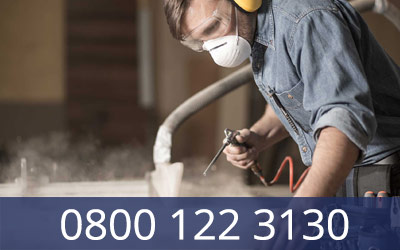
If employees work with products or in environments where irritants and allergens are present, they should be provided with suitable protective equipment to ensure the particles or vapours do not reach the lungs, but also to avoid them collecting on the hands or clothing of the employee. Face-masks, gloves and protective clothing can all assist in the reduction of risk.
Medication
Ensuring that any employees have suitable medication to reduce the symptoms of any existing asthma or respiratory illness is critical in the reduction of risk of attacks.
Training
As well as suitable training on how to deal with allergens or irritants within the workplace, training should be put in place so that fellow employees can identify colleagues who may be at a higher risk of suffering from an asthma attack and assist them if an attack seems imminent.
Health Surveillance
By identifying employees who have a history of respiratory issues, measures can be put in place to reduce the risk of any further damage, while monitoring existing health conditions can aid in reducing the development of work-related ill health. Any employee who is likely to be exposed to an asthmagen should frequently monitored.
Call us now on 0800 122 3130 or click here to start your claim.
Claiming For Your Occupational Asthma
Free Legal Advice
If you are unsure whether you have a claim for occupational asthma as a consequence of your work environment, then call our personal injury claims team for free for no obligation advice on making a claim. They will ask you some simple questions about your condition, talk to you about what’s happened and can tell you if you have a viable claim for compensation or not. Call us 24/7 on 0800 122 3130.


Latest Occupational Asthma News
HSE To Launch Construction Dust Blitz
The Health and Safety Executive is launching a new initiative targeting the construction industry across the country with a specific focus on the dangers of site dust. While construction sites are notoriously dangerous in terms of accidents such as slips, trips, falls...
read more